Rowenta Steam Iron Manual: A Comprehensive Guide
This detailed manual, sourced from manualzilla, offers comprehensive guidance on Rowenta steam irons, covering setup, operation, and maintenance – a 2.9M resource added May 30, 2021.
Understanding Your Rowenta Steam Iron
Your Rowenta steam iron is a precision appliance designed for efficient and effective garment care. This guide, originating from resources like manualzilla (identified as manualzilla-id-6985850 and ark:/13960/t8wb6k451), will help you maximize its performance. Understanding the iron’s components and functions is crucial for safe and optimal use.
Rowenta irons utilize advanced steam technology to remove wrinkles and creases, offering various settings to accommodate different fabric types. The manual, a substantial 2.9M in size and added to the collection on May 30, 2021, details these settings. Familiarize yourself with the temperature control dial, steam output controls, and any specialized features your model possesses. Proper understanding ensures your clothes receive the appropriate care, preventing damage and extending their lifespan. This resource aims to empower you with the knowledge to confidently operate your Rowenta steam iron.
Identifying Your Model Number
Locating your Rowenta steam iron’s model number is essential for accessing specific support, troubleshooting, and replacement parts. This information, vital for utilizing resources like those found on manualzilla (identifier manualzilla-id-6985850), is typically found on the underside of the iron or within the water tank compartment.
The model number is a unique alphanumeric code that distinguishes your iron from others. It’s crucial when downloading the correct manual – this particular resource was added on May 30, 2021, and is 2.9M in size – or contacting Rowenta customer service. Having this number readily available streamlines the process of receiving accurate assistance. Refer to the iron’s base or the original packaging to pinpoint the exact location of the model number. Accurate identification ensures you receive tailored support for your specific Rowenta appliance.
Key Features and Components
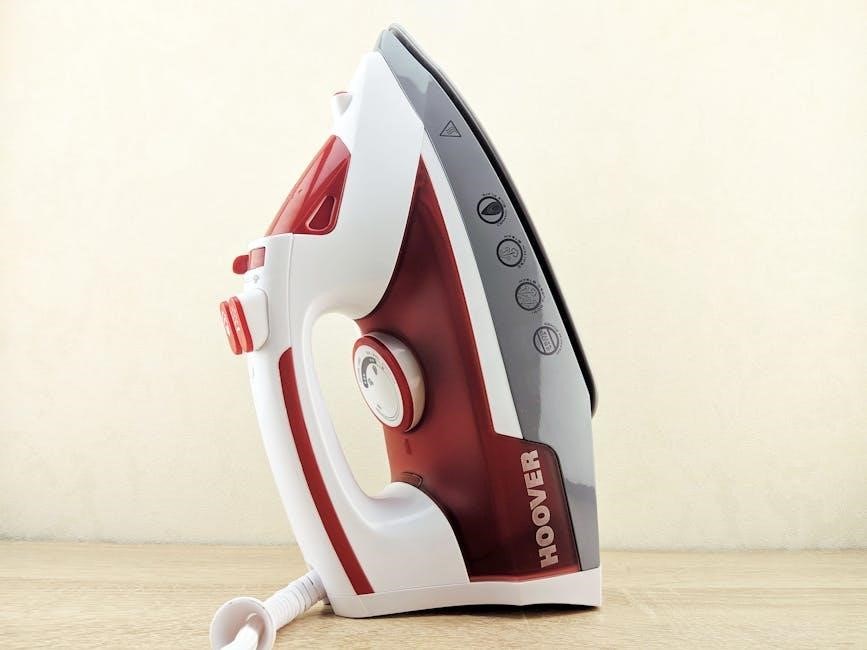
Rowenta steam irons, as detailed in resources like manualzilla (item size 2.9M, added May 30, 2021), boast several key features designed for efficient garment care. Core components include a durable soleplate – often stainless steel or ceramic – for smooth gliding, and a powerful steam generator for wrinkle removal.
Essential elements also encompass a precision tip for reaching difficult areas, adjustable temperature settings catering to various fabric types, and a generously sized water tank for extended steaming sessions. Many models feature a shot of steam function for tackling stubborn creases and self-clean functionalities to maintain optimal performance. Understanding these components, identified by a unique model number (crucial for support), allows for maximized ironing effectiveness and longevity of your Rowenta appliance. The anti-calc function is also a key feature.
Getting Started: Initial Setup
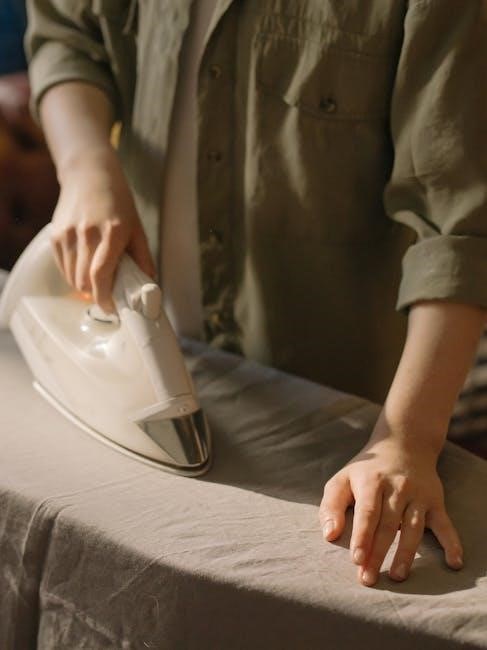
Before your first use, as outlined in resources like manualzilla (identified by ark:/13960/t8wb6k451 and added May 30, 2021), carefully remove all packaging materials from your Rowenta steam iron. Inspect the iron and ensure all components are present and undamaged. Locate your specific model number – this is vital for accessing tailored support and replacement parts if needed.
Familiarize yourself with the iron’s controls, including the temperature dial and steam settings. Before plugging in, verify your power supply matches the iron’s requirements. It’s recommended to perform a test steam on an old cloth to flush out any manufacturing residue. Refer to the full manual (2.9M in size) for detailed diagrams and safety precautions before proceeding with ironing your garments.
Filling the Water Tank
To fill the water tank of your Rowenta steam iron, as detailed in manuals available on manualzilla (item size 2.9M, added 2021-05-30), always unplug the iron and allow it to cool completely. Locate the water tank opening – it’s typically a large, clearly marked fill port. Use distilled or demineralized water to prevent scale buildup and prolong the life of your iron.
Fill the tank to the ‘max’ level indicated, avoiding overfilling. Do not add any additives like fragrance or starch directly into the water tank. Securely close the tank cover after filling. Regularly flushing the tank with clean water, as per the manual’s guidance (identifier manualzilla-id-6985850), will maintain optimal steam performance and prevent blockages.
Adjusting Temperature Settings
Your Rowenta steam iron, documented in resources like manualzilla (added May 30, 2021, identifier ark:/13960/t8wb6k451), features a temperature control dial or buttons. Begin by checking the care label of the garment you intend to iron. These labels indicate the appropriate ironing temperature.
Generally, synthetic fabrics require lower temperatures, while linen and cotton necessitate higher settings. Rotate the dial or press the buttons to select the corresponding temperature. A pilot light will illuminate, indicating the iron is heating. Allow the iron to reach the selected temperature before commencing ironing. Always start with a lower temperature and gradually increase it if needed, to avoid damaging delicate fabrics. Refer to your model’s specific manual for detailed guidance.
Using the Steam Function
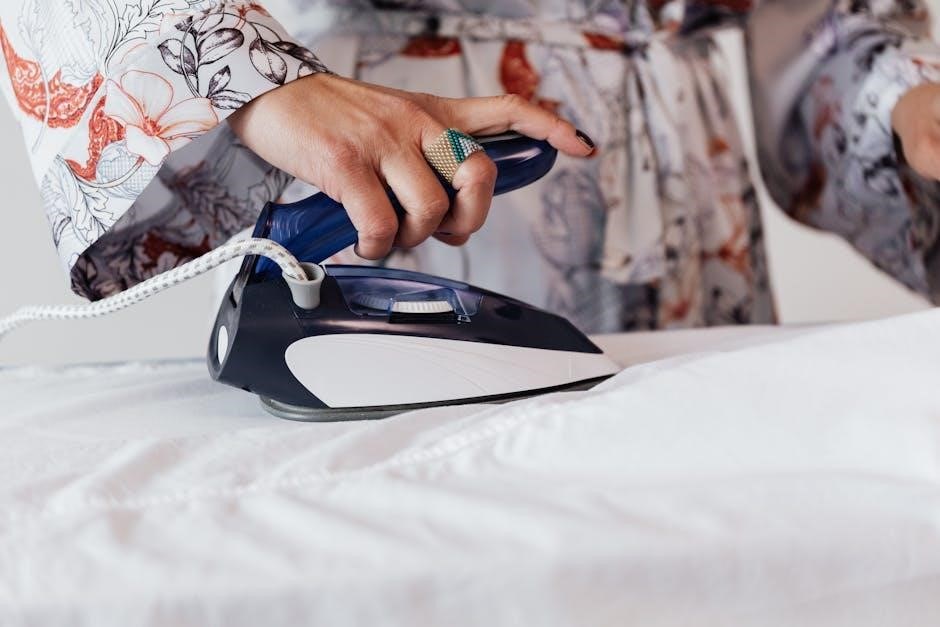
The steam function on your Rowenta iron, as detailed in manuals available through manualzilla (identified as manualzilla-id-6985850, added May 30, 2021), significantly enhances ironing efficiency. Ensure the water tank is filled – see the ‘Filling the Water Tank’ section for instructions. Select the appropriate temperature setting for your fabric, as steam output varies with temperature.
Activate the steam function by pressing the steam button, typically located on the handle. A light indicator will confirm activation. Move the iron smoothly over the fabric; the steam will help relax fibers and remove wrinkles. For fabrics requiring less steam, adjust the steam output level (see ‘Steam Output Levels’). Always exercise caution when using steam to avoid burns. Regular use of the steam function also aids in maintaining a clean soleplate.
Steam Output Levels
Rowenta steam irons, as documented in resources like manualzilla (manualzilla-id-6985850, added 2021-05-30), typically offer adjustable steam output levels to cater to diverse fabric types. These levels are often controlled via a dial or buttons on the iron’s body. Lower settings are ideal for delicate fabrics like silk or synthetics, minimizing the risk of damage.
Medium settings suit everyday fabrics like cotton blends, providing sufficient steam for effective wrinkle removal. Higher settings are best for heavier fabrics like linen or denim, requiring more intense steam penetration. Experiment with different levels to find the optimal setting for each garment. Remember to consult the fabric care label for guidance. Consistent steam output ensures efficient and professional ironing results, contributing to the longevity of your clothes.
Vertical Steam for Garments
Many Rowenta steam irons, as detailed in manuals found on platforms like manualzilla (identified by ark:/13960/t8wb6k451 and added May 30, 2021), feature a vertical steam function. This allows you to steam garments while they are hanging, eliminating the need for an ironing board. It’s particularly useful for refreshing clothes, removing minor wrinkles, or steaming delicate items that shouldn’t be directly pressed.
To use this feature, hold the iron vertically and gently press the steam button. Maintain a safe distance between the soleplate and the fabric to avoid burns. Slowly move the iron up and down the garment, allowing the steam to penetrate the fibers; This function is excellent for suits, dresses, and curtains. Always test on an inconspicuous area first to ensure fabric compatibility and optimal results.
Advanced Features & Functions
Rowenta steam irons, as documented in resources like manualzilla (manualzilla-id-6985850, added 2021-05-30), often include advanced functionalities beyond basic ironing. These features enhance performance and convenience. A common addition is the ‘Shot of Steam’ function, delivering a powerful burst of steam to tackle stubborn wrinkles. Many models also boast an automatic shut-off feature for safety, activating after a period of inactivity.
Furthermore, sophisticated Rowenta irons incorporate anti-calc systems to prevent mineral buildup, extending the iron’s lifespan. Self-clean functions, detailed within the manuals, help maintain optimal steam output. Variable steam settings allow customization for different fabric types. Understanding these advanced features, as outlined in the comprehensive guides, unlocks the full potential of your Rowenta iron.
Shot of Steam Function
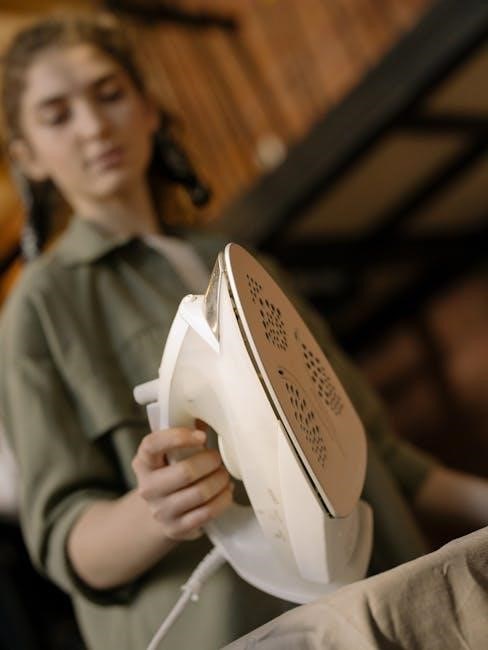
The ‘Shot of Steam’ function, a prominent feature in many Rowenta steam irons (referenced in manualzilla documentation, identifier ark:/13960/t8wb6k451), provides a concentrated burst of steam to eliminate particularly resistant creases. Activated by a dedicated button, this function delivers a higher steam output than continuous steaming. It’s ideal for thicker fabrics like denim or linen, and for quickly smoothing out stubborn wrinkles in any garment.
To utilize effectively, hold the iron slightly away from the fabric and press the shot of steam button. Repeat as needed, ensuring not to over-saturate delicate materials. Refer to your specific model’s manual for precise instructions and safety guidelines regarding the shot of steam function, maximizing its effectiveness and preventing potential damage.
Self-Clean Function: How to Use
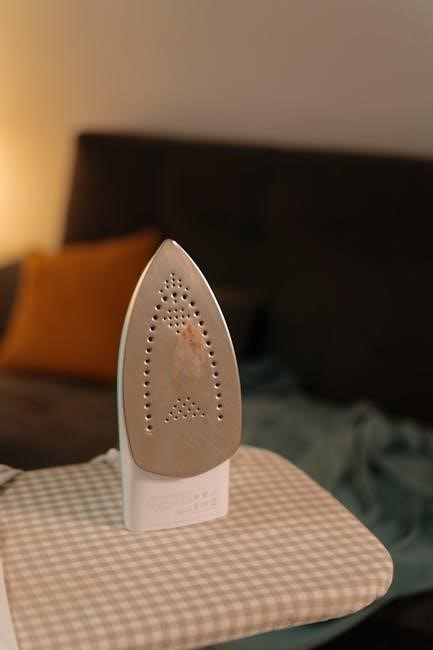
Rowenta steam irons incorporate a self-clean function, crucial for maintaining optimal performance and longevity (as detailed in resources like manualzilla, item size 2.9M). This feature helps remove mineral buildup from the steam vents, preventing clogging and ensuring consistent steam output. To activate, ensure the water tank is filled to the ‘max’ level with water – do not add vinegar unless specifically instructed by your model’s manual.
Select the highest temperature setting and activate the self-clean button. The iron will then release steam and water through the soleplate, flushing out any accumulated scale. Allow the iron to cool completely before refilling and using. Regular self-cleaning, as per your model’s guidelines, extends the iron’s lifespan and maintains efficient operation.
Anti-Calc Function & Maintenance
Rowenta steam irons often feature an anti-calc function, designed to minimize limescale buildup within the iron’s internal components (information sourced from manualzilla, identifier ark:/13960/t8wb6k451). This system, coupled with regular maintenance, significantly extends the iron’s operational life and maintains consistent steam performance. Depending on your model, the anti-calc system may be automatic or require periodic activation.
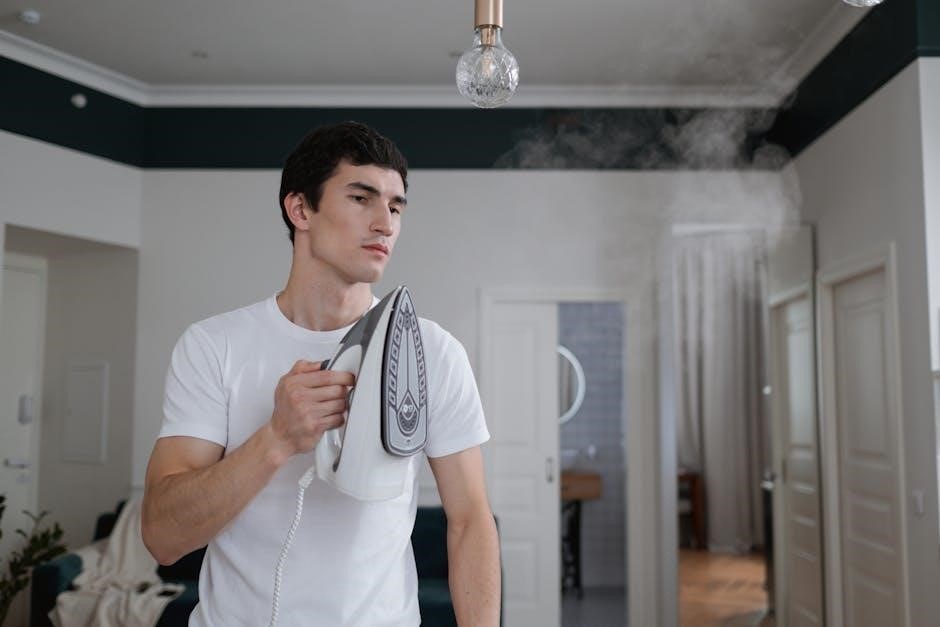
Even with an anti-calc system, descaling is recommended, especially if you use hard water. Utilize a descaling solution specifically designed for steam irons, following the instructions in your manual. Regular flushing and the self-clean function (detailed elsewhere) complement the anti-calc system, ensuring optimal performance and preventing damage from mineral deposits.
Troubleshooting Common Issues
Encountering problems with your Rowenta steam iron is common, but often easily resolved. This section addresses frequent concerns, assisting you in restoring optimal functionality (based on resources from manualzilla, item size 2.9M, added May 30, 2021). Common issues include the iron failing to heat, water leakage, or insufficient steam production.
If the iron isn’t heating, check the power connection and temperature setting. Water leakage may indicate overfilling or a faulty valve. Reduced steam output could stem from mineral buildup, necessitating descaling. Refer to the dedicated sections on cleaning and the self-clean function for solutions. If problems persist, consult the full manual or Rowenta’s support resources for further assistance.
Iron Not Heating Up
If your Rowenta steam iron isn’t heating, several factors could be at play. First, verify the power cord is securely plugged into a functioning outlet. A simple check can often resolve the issue (referencing manualzilla resources, item size 2.9M, added May 30, 2021). Next, ensure the temperature control dial is set to an appropriate heat level for your fabric type – it might be accidentally turned to the ‘off’ or ‘minimum’ setting.
Also, confirm the iron’s safety features aren’t activated. Some models have auto-shutoff functions. If these checks don’t resolve the problem, there might be an internal fault requiring professional repair. Do not attempt to disassemble the iron yourself; contact Rowenta customer support for guidance.
Water Leaking from the Iron
Experiencing water leakage from your Rowenta steam iron? Several causes are possible. Overfilling the water tank is a common culprit – always adhere to the maximum fill line indicated on the tank (sourced from manualzilla, item size 2.9M, added May 30, 2021). Ensure the iron is held in an upright position during operation; tilting it excessively can cause leakage.
Additionally, check the steam vent openings on the soleplate for any blockages. Mineral buildup from hard water can obstruct these vents, leading to leakage. Regularly descaling your iron (as detailed in the maintenance section) can prevent this. If leakage persists after these checks, a damaged internal seal might be the issue, requiring professional repair or replacement.
Steam Not Producing
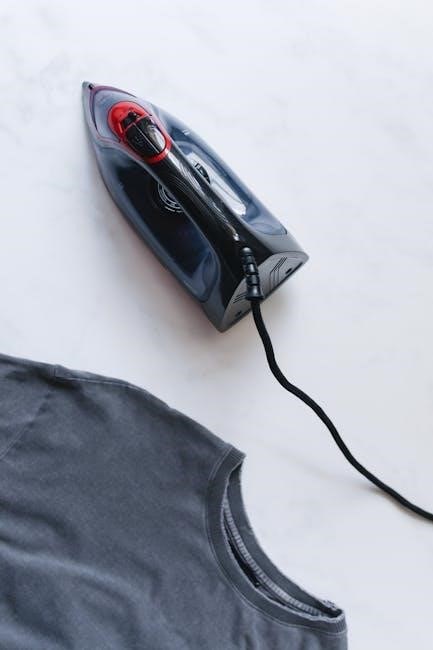
If your Rowenta steam iron isn’t producing steam, first verify the water tank isn’t empty. A seemingly full tank might not be delivering water if the anti-calc system is activated or blocked (referencing manualzilla’s 2;9M resource, added May 30, 2021). Confirm the temperature setting is appropriate for steam generation – it must be set to a steam-compatible level.
Check the steam button or trigger; ensure it’s fully engaged. Mineral deposits can also obstruct the steam vents, preventing steam release. Descaling the iron regularly is crucial for optimal performance. If the issue persists, examine the internal water pathways for blockages. A malfunctioning steam generator component might necessitate professional repair.
Cleaning and Maintenance
Regular cleaning and maintenance, as detailed in the 2.9M manual from manualzilla (added May 30, 2021), are vital for extending your Rowenta steam iron’s lifespan and ensuring optimal performance. Always unplug the iron and allow it to cool completely before cleaning. The soleplate should be wiped clean after each use to remove any residue that could stick or burn onto the surface.
Descaling is crucial, especially if you use hard water. Follow the instructions for the self-clean or anti-calc function to remove mineral buildup. Regularly inspect the water tank for deposits and clean as needed. Avoid abrasive cleaners, which can damage the soleplate. Proper care prevents steam blockages and ensures consistent steam output.
Cleaning the Soleplate
Maintaining a clean soleplate is essential for smooth gliding and preventing staining on your garments, as highlighted in the manualzilla resource (2.9M, added May 30, 2021). After each use, once the iron is completely cool and unplugged, wipe the soleplate with a soft, damp cloth. For stubborn residue, a specialized soleplate cleaner – available for Rowenta irons – can be used, following the product’s instructions carefully.
Avoid abrasive cleaners or scouring pads, as these can scratch the soleplate’s surface. For burnt-on residue, a paste of baking soda and water can be gently applied, left for a short time, and then wiped clean. Ensure no cleaner enters the steam vents. A polished soleplate ensures optimal ironing results and protects your clothes.
Descaling the Iron
Regular descaling, as detailed in the manualzilla resource (identified as manualzilla-id-6985850, added May 30, 2021), is crucial to remove mineral buildup from hard water, ensuring optimal steam performance and extending the life of your Rowenta iron. The frequency depends on water hardness and usage; typically, every 20-30 uses is recommended.
Use a descaling solution specifically designed for steam irons – Rowenta offers its own. Follow the solution’s instructions carefully, usually involving filling the water tank with the solution, heating the iron, and then steaming it to flush out the deposits. Rinse the tank thoroughly with clean water afterward. Ignoring descaling can lead to reduced steam output and potential damage.
Safety Precautions
Prioritize safety when using your Rowenta steam iron, as outlined in the comprehensive manual sourced from manualzilla (item size 2.9M, added May 30, 2021). Always disconnect the iron from the power outlet before filling or emptying the water tank, and allow it to cool completely. Never leave a hot iron unattended.
Keep the iron out of reach of children. Avoid touching the hot soleplate; burns can occur instantly. Do not use the iron if the cord or plug is damaged. Ensure the iron is used on a stable, heat-resistant surface. Never immerse the iron in water or any other liquid. Follow all instructions carefully to prevent electric shock or injury. Proper handling ensures safe operation.
Important Safety Instructions
Read all instructions in this Rowenta steam iron manual (manualzilla resource, 2.9M, added 2021-05-30) before use. This appliance is for household use only. To avoid risk of electric shock, do not immerse the iron, cord, or plug in water. Unplug from outlet when not in use and before cleaning. Allow to cool before storing.
Never pull the cord; instead, grasp the plug. Do not operate with a damaged cord or plug. If the iron malfunctions, discontinue use and seek repair. Close supervision is necessary when the iron is used near children. Avoid using extension cords. Use only as intended, following all provided guidelines for safe and effective operation. Failure to heed these warnings could result in injury.
Warranty Information
Rowenta steam irons (identified via manualzilla – item size 2.9M, added 2021-05-30) are warranted against defects in materials and workmanship for a specified period from the date of purchase. This warranty covers normal household use. Damage resulting from misuse, abuse, or unauthorized repair is not covered.
To obtain warranty service, proof of purchase is required. Contact Rowenta customer support with your model number (crucial for identification) and a description of the defect. Rowenta will, at its discretion, repair or replace the defective iron. This warranty gives you specific legal rights, and you may have other rights which vary by location. See the separate warranty card included with your iron for complete details and limitations.