Ashtanga Primary Series PDF: A Comprehensive Guide
Discover a detailed PDF guide to Ashtanga’s Primary Series, offering a structured path for beginners․ This series builds heat and strength, transforming your practice․
Ashtanga Yoga, a dynamic and physically demanding practice, originates from ancient yoga traditions, systematized by Krishnamacharya and his students․ It’s characterized by a fixed sequence of postures, synchronized with breath, and internal energetic locks (bandhas)․ The Primary Series, or Yoga Chikitsa, is the foundational sequence, designed to purify the body and build a strong base for further practice․
This series isn’t merely a workout; it’s a moving meditation, fostering self-awareness and internal heat․ For newcomers, the Primary Series can appear challenging, but its progressive nature allows for gradual adaptation and growth․ A comprehensive PDF guide can be invaluable, providing detailed instructions and modifications․ It’s a transformative journey, accessible with proper guidance, and a commitment to consistent practice․ Resources like Omstars and YouTube channels offer valuable support for beginners embarking on this path․
What is the Ashtanga Primary Series?
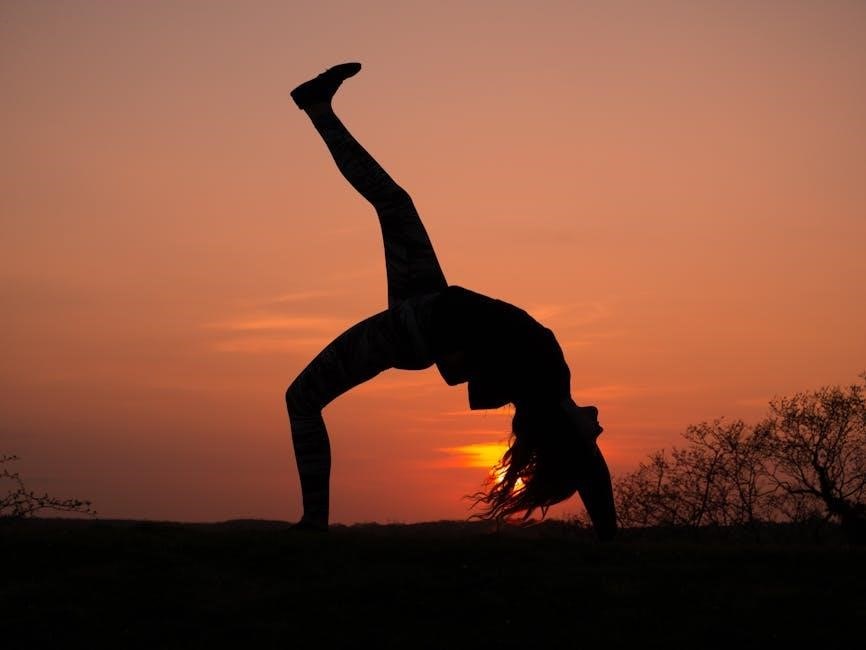
The Ashtanga Primary Series is a specific, predetermined sequence of postures – a cornerstone of the Ashtanga Vinyasa Yoga system․ It comprises approximately 60 poses, beginning with Sun Salutations (A & B) and progressing through standing, seated, and finishing sequences․ A detailed PDF resource outlines each asana (pose) in order, detailing proper alignment and transitions․
This isn’t a freestyle yoga class; it’s a set method․ The sequence is designed to systematically work the body, increasing strength, flexibility, and stamina․ It emphasizes ujjayi breath, bandhas, and drishti – key elements for internal heat and focus․ Finding a comprehensive PDF guide, or utilizing resources like those found on Reddit, can help you understand the order and purpose of each posture, making the practice more accessible and effective․ It’s a journey of self-discovery through disciplined movement․
Benefits of Practicing the Primary Series
Consistent practice of the Ashtanga Primary Series, guided by a PDF resource, yields numerous physical and mental benefits․ The dynamic sequence builds significant strength and flexibility, improving posture and balance․ The sustained effort generates internal heat, detoxifying the body and increasing circulation․ A well-structured PDF can help you understand how each pose contributes to overall well-being․
Beyond the physical, the series cultivates mental clarity and focus through the practice of ujjayi breath and drishti․ It’s a moving meditation, calming the nervous system and reducing stress․ The disciplined nature of the sequence fosters self-discipline and perseverance․ Accessing a detailed PDF, alongside resources like Omstars, allows for a deeper understanding of these benefits, empowering you to maximize your practice and experience transformative results․

Finding Resources: Studios, Teachers & Online Platforms (Omstars)
Embarking on your Ashtanga Primary Series journey requires access to quality guidance, often supplemented by a helpful PDF․ Begin by searching for local yoga studios or qualified teachers specializing in Ashtanga․ In-person instruction ensures proper alignment and personalized adjustments․ However, accessibility isn’t always feasible․
Fortunately, online platforms like Omstars offer a wealth of Ashtanga resources, including classes led by experienced teachers․ These platforms often provide downloadable PDFs outlining the sequence, aiding independent practice․ YouTube also hosts valuable tutorials – a 3-month learning plan is available (link provided previously!)․ Reddit communities dedicated to Ashtanga offer support and shared experiences․ Combining these resources – a PDF for reference, online classes for guidance, and community support – creates a well-rounded learning experience․

Understanding the Foundational Elements
Successfully navigating the Ashtanga Primary Series, even with a detailed PDF guide, hinges on mastering its core principles․ These aren’t merely instructions, but integral components that unlock the practice’s benefits․ Central to Ashtanga is Ujjayi Breath (Victorious Breath), a specific breathing technique creating internal heat and focus; Simultaneously, Bandhas – energy locks – engage core muscles, stabilizing the body and directing energy flow․
Drishti, or gaze points, further refine focus, preventing wandering thoughts and deepening concentration․ A PDF sequence is a map, but these elements are the vehicle․ Understanding how breath, bandhas, and gaze intertwine transforms the practice from a physical exercise into a moving meditation․ Without these foundational elements, the series risks becoming a mere performance of postures, missing its transformative potential․
Ujjayi Breath (Victorious Breath)
Ujjayi Breath, often called Victorious Breath, is fundamental to the Ashtanga Primary Series, and a key element detailed in any comprehensive PDF guide․ It’s created by slightly constricting the back of the throat, as if whispering “haaa,” while breathing normally through the nose․ This creates a soft, oceanic sound with each inhale and exhale․
This breath isn’t just about sound; it generates internal heat, calms the nervous system, and enhances focus․ A PDF might illustrate the technique, but experiencing it is crucial․ Ujjayi breath synchronizes movement with breath, creating a meditative rhythm․ It also helps to build internal awareness and control․ Mastering Ujjayi is essential for safely and effectively practicing the series, allowing energy to flow freely through the nadis, clearing obstacles as the practice intends․

Bandhas (Energy Locks)
Bandhas, or energy locks, are integral to the Ashtanga Primary Series, and a detailed PDF guide will invariably cover them․ These internal engagements – Mula Bandha (root lock), Uddiyana Bandha (abdominal lock), and Jalandhara Bandha (chin lock) – work synergistically with Ujjayi breath to create stability, strength, and internal heat․

A good PDF resource will explain how to activate each Bandha subtly, without strain․ They aren’t about forceful contractions, but rather refined internal adjustments․ Mula Bandha grounds the energy, Uddiyana Bandha ignites it, and Jalandhara Bandha directs it upwards․ These locks protect the spine, enhance posture, and deepen the practice․ Correct application of Bandhas is crucial for experiencing the full benefits of the series, channeling energy and clearing blockages within the body’s subtle energy pathways․

Drishti (Gaze Points)
Drishti, the focused gaze point, is a cornerstone of the Ashtanga Primary Series, and a comprehensive PDF guide will detail its importance․ It’s more than just where to look; it’s a tool for concentration, stability, and internal awareness․ Each posture has a designated Drishti, guiding the eyes to a specific point – a finger, the navel, or a fixed spot in space․
A quality PDF will illustrate these gaze points clearly․ Maintaining Drishti prevents the eyes from wandering, calming the nervous system and deepening focus․ It anchors the mind, preventing distraction during the physically demanding sequence․ By directing the gaze inward, practitioners cultivate a meditative state, enhancing the energetic flow․ Drishti, combined with Ujjayi breath and Bandhas, creates a powerful internal synergy, unlocking the transformative potential of the practice and clearing obstacles within the nadis․

Breaking Down the Sequence
Explore the Ashtanga Primary Series step-by-step! A detailed PDF breaks down Sun Salutations, standing postures, and forward folds for a clear practice․
Sun Salutations A (Surya Namaskar A)
Sun Salutations A form the foundational core of the Ashtanga Primary Series, meticulously detailed within comprehensive PDF guides․ This sequence, repeated multiple times, dynamically warms the body, preparing it for the more challenging postures ahead․ It begins standing at the top of your mat, flowing through Tadasana (Mountain Pose), Uttanasana (Forward Fold), Ardha Uttanasana (Halfway Lift), Chaturanga Dandasana (Four-Limbed Staff Pose), Urdhva Mukha Svanasana (Upward-Facing Dog), and Adho Mukha Svanasana (Downward-Facing Dog)․
A quality PDF resource will illustrate precise alignment cues for each pose, emphasizing the integration of Ujjayi breath and Bandhas․ Beginners often find this sequence demanding, but consistent practice, guided by a detailed PDF, builds strength, flexibility, and stamina․ The repetition isn’t merely physical; it cultivates a meditative rhythm, fostering mindfulness and internal awareness․ Mastering Sun Salutations A is crucial before progressing further in the series, and a well-structured PDF will help you achieve this․
Sun Salutations B (Surya Namaskar B)
Sun Salutations B, thoroughly explained in Ashtanga Primary Series PDF guides, build upon the foundation established by Sun Salutations A․ This sequence introduces Chair Pose (Utkatasana) and incorporates a jump-back to Chaturanga, increasing the intensity and demanding greater core strength․ Starting similarly to A, it flows from Tadasana to Uttanasana, then into Utkatasana, followed by Ardha Uttanasana, Chaturanga Dandasana, Urdhva Mukha Svanasana, and Adho Mukha Svanasana․
A comprehensive PDF will detail the precise technique for the jump-back, emphasizing safety and proper alignment to prevent injury․ It will also highlight the importance of maintaining Ujjayi breath and Bandhas throughout the sequence․ Practicing with a detailed PDF ensures correct form and prevents common mistakes․ Sun Salutations B are more challenging than A, requiring increased flexibility and stamina․ Consistent practice, guided by a quality PDF resource, will unlock the full benefits of this dynamic sequence, preparing the body for the standing postures․
Standing Postures
Ashtanga Primary Series PDF resources meticulously detail the crucial standing postures, forming a cornerstone of the practice․ Following the Sun Salutations, these poses build strength, stability, and flexibility․ The sequence begins with Padangusthasana (Big Toe Pose), progressing to Pada Hastasana (Hands Under Feet), lengthening the hamstrings and spine․
Next, Trikonasana (Triangle Pose) and Parivritta Trikonasana (Revolved Triangle Pose) challenge balance and open the hips and shoulders․ A good PDF guide will illustrate precise alignment cues for each posture, emphasizing the engagement of Bandhas and the focus of Drishti․ These postures, when practiced correctly, cultivate a deep connection to the body and breath․ The PDF will also explain modifications for varying levels of flexibility․ Mastering these foundational standing postures is essential for progressing through the Primary Series safely and effectively, building a solid base for more advanced asanas․
Padangusthasana (Big Toe Pose)
Ashtanga Primary Series PDF guides highlight Padangusthasana as a fundamental standing posture, directly following the Sun Salutations․ This pose, often challenging for beginners, intensely stretches the hamstrings and lower back․ A detailed PDF will illustrate proper technique: grasping the big toe with the first two fingers, keeping the back straight, and actively engaging Ujjayi breath․
Variations within the PDF often include modifications for those with limited flexibility, such as a slight bend in the knee or using a strap․ Maintaining Bandhas – particularly Mula Bandha – is crucial for stability and core engagement․ Drishti is typically focused between the toes or slightly beyond․ The PDF will emphasize the importance of a slow, controlled descent and ascent, avoiding jerky movements․ Consistent practice of Padangusthasana builds strength, improves posture, and prepares the body for subsequent poses in the Primary Series․
Pada Hastasana (Hands Under Feet)
Ashtanga Primary Series PDF resources detail Pada Hastasana as a key posture directly following Padangusthasana․ This pose involves folding forward and attempting to place the hands flat on the floor, a goal that may take time and consistent practice․ The PDF will emphasize maintaining a straight back as much as possible, avoiding rounding, and actively lengthening the spine․
Beginners often find this pose challenging due to hamstring tightness; the PDF may suggest bending the knees slightly․ Proper engagement of Bandhas, especially Mula Bandha, is vital for core stability․ Drishti is generally directed forward between the feet․ The PDF will highlight the importance of breathing deeply with Ujjayi breath throughout the pose․ Regular practice of Pada Hastasana improves flexibility, calms the nervous system, and prepares the body for deeper forward folds within the sequence․
Trikonasana (Triangle Pose)
Ashtanga Primary Series PDF guides illustrate Trikonasana as a foundational standing posture, building upon the previous folds․ The PDF will detail precise alignment: feet wide apart, torso extending sideways, and reaching one hand towards the floor while the other extends towards the ceiling․ Maintaining a straight line from one hand to the other is crucial․
The PDF emphasizes opening the chest and actively engaging the core․ Drishti is typically directed towards the upper hand, aiding balance and focus․ Beginners may find it helpful to rest the lower hand on the shin or a block․ Consistent practice, as outlined in the PDF, improves spinal flexibility, strengthens legs and core, and stimulates abdominal organs․ Utilizing Ujjayi breath and Bandhas throughout the pose enhances stability and promotes internal heat, preparing the body for subsequent postures․
Parivritta Trikonasana (Revolved Triangle Pose)
The Ashtanga Primary Series PDF details Parivritta Trikonasana as a deeper twist building from Trikonasana․ The PDF will illustrate how to maintain a wide stance, initiating the twist from the core as you reach forward and then down towards the opposite shin or floor․ Proper alignment involves keeping the spine long and avoiding collapsing into the twist․
The PDF stresses the importance of Drishti towards the front hand, assisting with balance and deepening the rotation․ Beginners may initially struggle with flexibility; modifications like using a block under the hand are encouraged․ Consistent practice, guided by the PDF, enhances spinal mobility, stimulates digestion, and strengthens the legs․ Remember to coordinate the twist with Ujjayi breath and engage Bandhas for stability and internal heat․ This pose prepares the body for more complex twists within the series․
Intermediate & Finishing Sequences
Ashtanga Primary Series PDFs detail forward folds and foot variations, leading to the finishing sequence—a calming culmination utilizing breath and subtle bandha work․
Forward Fold and Holding Foot Variations
Ashtanga Primary Series PDFs meticulously outline the crucial forward fold section, a cornerstone of building flexibility and strength․ This phase isn’t merely about touching your toes; it’s a progressive exploration of hamstring flexibility and spinal alignment․ You’ll encounter variations where you hold onto your feet, ankles, or shins, deepening the stretch and cultivating a mindful connection to your body․
These holding variations are key to unlocking deeper poses later in the series․ PDFs often illustrate precise hand placements and alignment cues․ Expect to see detailed instructions on maintaining a straight spine and engaging bandhas (energy locks) to protect your lower back․ The sequence isn’t static; it’s a dynamic flow, moving between different grips and intensities․
Many resources emphasize the importance of breath synchronization (Ujjayi breath) throughout this section․ PDFs will guide you through coordinating your inhales and exhales with each movement, enhancing the therapeutic benefits and promoting a meditative state․ Mastering these forward folds and foot holds is fundamental to progressing safely and effectively through the Primary Series․
The Finishing Sequence: Energetic Culmination
Ashtanga Primary Series PDFs dedicate significant attention to the finishing sequence, a vital component often underestimated by beginners․ This isn’t simply a cool-down; it’s a powerful set of postures designed to seal the benefits of the practice and calm the nervous system․ PDFs detail a specific order of seated, supine, and twisting poses, each held for a precise duration, often five breaths․
Expect to find detailed illustrations of postures like Paschimottanasana (Seated Forward Bend), Ardha Matsyendrasana (Half Lord of the Fishes Pose), and Savasana (Corpse Pose)․ These resources emphasize the importance of maintaining Ujjayi breath and bandhas even as you transition into more restorative postures․
The finishing sequence guides the practitioner towards an energetic culmination, subtly releasing tension and promoting deep relaxation․ PDFs often explain how this phase balances the energy cultivated during the dynamic portion of the practice, leaving you feeling grounded, centered, and revitalized․ It’s a crucial step for integrating the physical and mental benefits of Ashtanga․
Resources for a 3-Month Learning Plan (YouTube & Reddit)
Ashtanga Primary Series PDFs are excellent starting points, but supplementing with video instruction and community support accelerates learning․ YouTube channels offer guided practices, breaking down postures and sequences; A highly recommended resource is a specific 3-month learning plan, where one lesson is practiced weekly, gradually building strength and flexibility – ideal for beginners․
Reddit’s Ashtanga yoga communities provide invaluable insights, pose discussions, and modifications․ Users frequently share their experiences, troubleshooting challenges, and recommending helpful PDFs․ These platforms offer a space to ask questions and receive feedback from experienced practitioners․
Many PDFs link to relevant YouTube tutorials or Reddit threads, creating a synergistic learning experience․ Remember to cross-reference information and prioritize qualified instruction․ Combining a structured PDF with dynamic video content and community engagement fosters a well-rounded and sustainable Ashtanga practice․