Heras Temporary Fencing: A Comprehensive Design Guide
Navigating temporary works design for Heras fencing involves detailed risk assessments, method statements, and adherence to standards like BS 1722 and EN 13374․
Heras fencing systems represent a leading solution for temporary perimeter security, widely utilized across diverse sectors including construction, events, and utilities․ These systems are renowned for their robust construction, ease of installation, and adaptability to various terrains․ Understanding the core components – panels, stands, and couplers – is crucial for effective deployment․
The inherent flexibility of Heras fencing allows for rapid site setup and reconfiguration, making it ideal for dynamic environments․ Proper design, considering factors like wind load and ground conditions, ensures stability and safety․ Furthermore, adherence to relevant standards, such as BS 1722 and EN 13374, is paramount for legal compliance and responsible operation․ Detailed temporary works design documentation, often available in PDF format, outlines these critical considerations․
Understanding Temporary Fencing Applications
Heras temporary fencing finds extensive application in securing construction sites, preventing unauthorized access and protecting valuable materials and equipment․ Event perimeter control is another key area, ensuring public safety and managing crowd flow effectively․ Beyond these, Heras fencing provides solutions for crowd management at public gatherings and defines secure zones at utility works․
Effective application necessitates a thorough understanding of site-specific requirements and potential risks․ Temporary works design documentation, frequently available as a PDF, details load calculations, foundation needs, and panel selection criteria․ This documentation ensures the fencing system can withstand anticipated stresses and maintain stability․ Careful consideration of these factors is vital for a safe and compliant installation, regardless of the application․
Design Considerations for Heras Fencing
Robust design hinges on load calculations, wind resistance assessments, and appropriate ground foundations, all detailed within temporary works design PDFs․
Load Calculations and Wind Resistance
Accurate load calculations are paramount in Heras temporary fencing design, as outlined in comprehensive temporary works design PDFs․ These calculations must account for both vertical and horizontal forces, including wind loads, which significantly impact stability․
Wind resistance is a critical factor, especially in exposed locations․ PDFs detail methods for determining wind speeds and calculating the resulting pressure on the fencing panels․ Factors like panel height, mesh type, and the presence of gaps influence wind loading;
Designs must ensure the fencing can withstand anticipated wind forces without deformation or collapse․ Proper bracing, panel connections, and secure foundations are essential․ Temporary works design PDFs provide guidance on appropriate bracing configurations and foundation depths based on soil conditions and wind loads․
Ground Conditions and Foundation Requirements
Temporary works design PDFs emphasize thorough ground condition assessments before installing Heras fencing․ Soil type, bearing capacity, and the presence of underground services are crucial considerations․ Unstable ground necessitates enhanced foundation designs to prevent settlement or overturning․
Foundation requirements vary based on fencing height, wind loads, and soil properties․ PDFs detail options like concrete ballast blocks, driven posts, and trench foundations․ The chosen method must provide adequate stability and resistance to uplift and lateral forces․
Proper drainage is essential to prevent waterlogging and erosion around foundations․ PDFs often include guidance on drainage solutions and soil stabilization techniques․ Detailed site investigations and adherence to design specifications are vital for ensuring long-term fencing integrity․
Panel Selection: Types and Specifications
Temporary works design PDFs highlight the importance of selecting appropriate Heras fencing panels based on the application’s security and safety requirements․ Common panel types include standard mesh, high-security mesh, and solid panels, each offering varying levels of protection․
Panel specifications detailed in PDFs cover dimensions, mesh aperture size, wire gauge, and coating type․ These factors influence the panel’s strength, durability, and resistance to cutting or climbing․ Wind load calculations are crucial for determining the required panel strength․
PDFs also address panel weight and handling considerations․ Choosing lighter panels can simplify installation, while heavier panels offer increased stability․ Compliance with relevant standards, like EN 13374, is essential for ensuring panel quality and performance․
Component Breakdown of a Heras System
Heras systems, as detailed in temporary works design PDFs, comprise panels, stands, clamps, and couplers, each crucial for stability, security, and efficient assembly․
Fencing Panels: Materials and Dimensions
Heras fencing panels, central to temporary works design documentation, are typically constructed from high-strength steel tubing and welded mesh infill, offering robust security and durability․ Standard panel heights range from 1․8 to 2․4 meters, with common lengths of 2․34 meters․
Mesh apertures are generally 200mm x 50mm, providing effective containment while maintaining visibility․ The steel gauge varies depending on the required level of security, with heavier gauges offering increased resistance to cutting and climbing․ Temporary works design PDFs will specify appropriate panel selection based on site-specific risk assessments and load calculations․
Panel weight is a critical consideration for handling and installation, typically ranging from 15kg to 25kg per panel․ Galvanized and powder-coated finishes are standard, providing corrosion resistance and extending the lifespan of the fencing․
Stands and Feet: Stability and Adjustment
Heras fencing stands and feet are crucial components detailed within temporary works design PDFs, ensuring panel stability on varied terrains․ Common types include concrete block feet, adjustable screw feet, and folding flat feet․ Concrete blocks offer substantial weight for inherent stability, while adjustable feet allow for leveling on uneven ground․
Adjustable screw feet typically provide a leveling range of up to 100mm, accommodating slopes and irregularities․ Folding flat feet are ideal for quick deployment and retrieval, often used for temporary perimeter control;
Design calculations within the PDF must account for wind loads and potential impact forces, dictating the required weight or adjustment range of the chosen feet․
Clamps and Couplers: Connecting Panels Securely
Heras fencing clamps and couplers, thoroughly documented in temporary works design PDFs, are vital for creating a continuous and robust barrier․ Standard couplers join panels end-to-end, while keyhole clamps allow for angled connections, facilitating perimeter shaping․ Swivel couplers enable flexibility on uneven terrain, preventing stress on the panels․
Design calculations must specify the appropriate coupler density based on anticipated loads, particularly wind resistance․ PDFs detail load-bearing capacities of each coupler type․
Secure tightening is paramount; torque specifications are often included to prevent loosening due to vibration or impact․ Regular inspection of couplers is essential for maintaining fence integrity․
Temporary Works Design for Heras Fencing
Temporary works design PDFs emphasize comprehensive risk assessments, detailed method statements, and strict adherence to BS 1722 and EN 13374 standards․
Risk Assessment and Method Statements
Detailed risk assessments are paramount when deploying Heras temporary fencing, as outlined in temporary works design PDFs․ These assessments must identify potential hazards – including instability, unauthorized access, and interference with underground services – and propose mitigation strategies․
Method statements should meticulously detail the installation process, specifying equipment, personnel roles, and step-by-step procedures․ Crucially, they must address safe lifting practices, proper panel alignment, and secure connections using clamps and couplers․
PDF documentation often highlights the need for regular inspections during and after installation to ensure ongoing stability and effectiveness․ Furthermore, method statements should incorporate emergency procedures, including protocols for addressing damage or breaches in security․
Design Verification and Certification
Temporary works design PDFs emphasize the critical need for independent design verification of Heras fencing installations․ This process, typically conducted by a suitably qualified engineer, confirms the design’s adequacy to withstand anticipated loads, including wind resistance and potential impacts․
Certification provides formal assurance that the design complies with relevant standards – notably BS 1722 and EN 13374 – and that the installation is safe and fit for purpose․ Documentation should include detailed calculations, material specifications, and a site-specific risk assessment․
PDF resources often detail requirements for as-built drawings and inspection reports, providing a comprehensive record of the installation for future reference and maintenance․
Compliance with Relevant Standards (BS 1722, EN 13374)
Heras fencing temporary works design PDFs consistently highlight adherence to BS 1722, the British Standard for temporary fencing, and EN 13374, the European standard for temporary edge protection․ These standards dictate load-bearing capacities, panel specifications, and installation procedures․
Compliance ensures the fencing can safely contain crowds, secure construction sites, or manage event perimeters․ PDFs detail specific requirements for wind load calculations, panel connections, and foundation stability, referencing clauses within both standards․
Proper documentation, demonstrating conformity to these standards, is crucial for legal compliance and insurance purposes, safeguarding against potential liabilities․
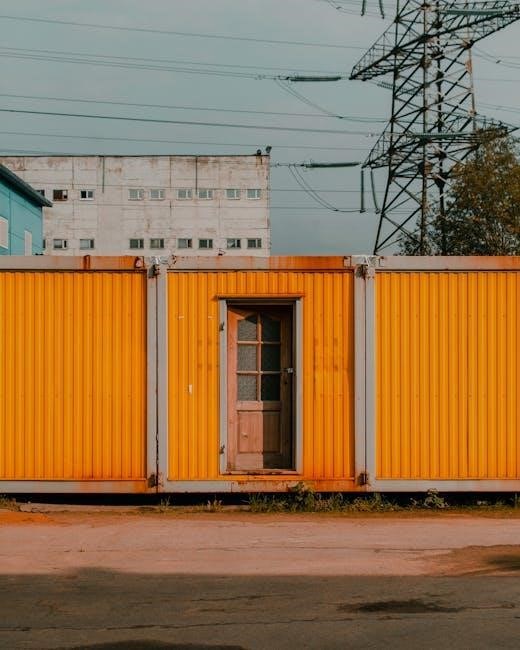
Installation Best Practices
Installation PDFs emphasize proper panel alignment, stability on varied terrains, and robust securing methods to prevent unauthorized access, ensuring safety and effectiveness․
Erecting Fencing on Different Terrains
Heras fencing installation on diverse terrains demands adaptable techniques, as detailed in temporary works design PDFs․ Uneven ground necessitates adjustable feet or stands to maintain panel alignment and stability․
For sloped areas, stepped installation or racking – carefully calculated to avoid compromising structural integrity – is crucial․ Soft ground requires wider-based feet or ground plates to prevent sinking․
Wind loading calculations, outlined in design documentation, are paramount, especially on exposed sites․ PDFs often illustrate appropriate bracing and anchoring methods for varying soil conditions․
Always prioritize a level base where possible, utilizing leveling materials to create a stable foundation․ Thorough site assessment, documented within the temporary works design, is essential for safe and effective installation․
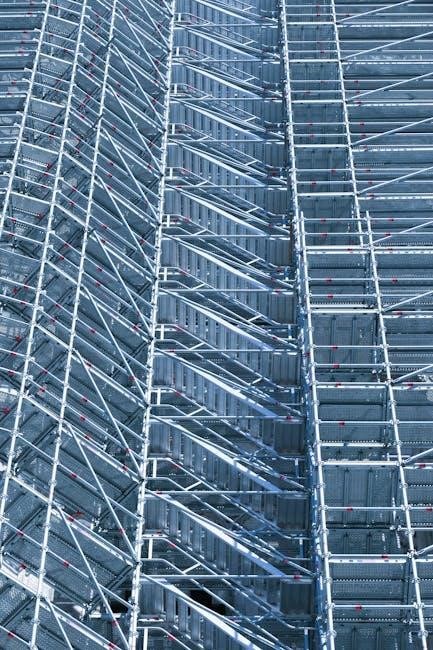
Ensuring Panel Alignment and Stability
Maintaining precise panel alignment and robust stability is paramount when erecting Heras fencing, as detailed within temporary works design PDFs․ Proper use of clamps and couplers, specified in the documentation, is fundamental to a secure structure․
Regular checks during installation, utilizing levels and plumb bobs, guarantee vertical and horizontal accuracy․ PDFs emphasize the importance of consistent spacing between panels to distribute loads evenly․
Wind resistance calculations, integral to the design, dictate the necessity of bracing and anchoring․ Ground conditions significantly impact stability; PDFs outline appropriate footing solutions for varied terrains․
Thorough inspection post-installation confirms structural integrity and identifies potential weaknesses, ensuring a safe and effective perimeter solution․
Securing Fencing Against Unauthorized Access
Heras fencing, as detailed in temporary works design PDFs, offers robust security when correctly implemented․ Minimizing gaps at panel connections and ground level is crucial, utilizing appropriate clamps and couplers as specified․
PDFs highlight the importance of overlapping panels correctly and securing them tightly to prevent easy manipulation․ Consideration should be given to adding anti-climb paint or extensions where heightened security is required․
Regular perimeter checks, documented within the design guidelines, identify and address potential vulnerabilities․ Integrating signage warning against trespassing reinforces the deterrent effect․
Lighting and surveillance systems, complementing the fencing, further enhance security measures, particularly during nighttime hours, as outlined in comprehensive design documentation․
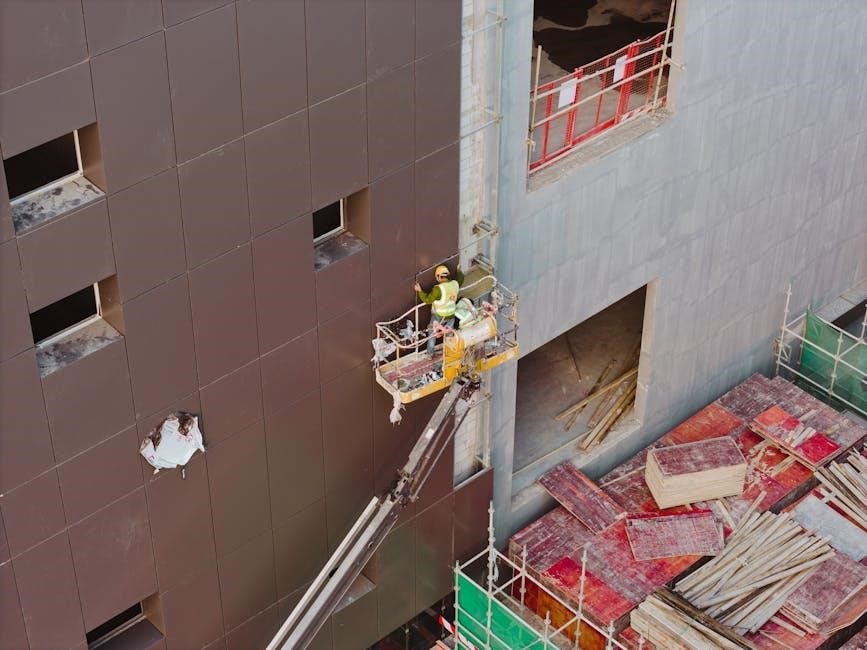
Safety Considerations During Installation & Use
Temporary works design PDFs emphasize PPE, avoiding underground services, and clear signage․ Prioritize worker safety and public awareness during Heras fencing projects․
Personal Protective Equipment (PPE) Requirements
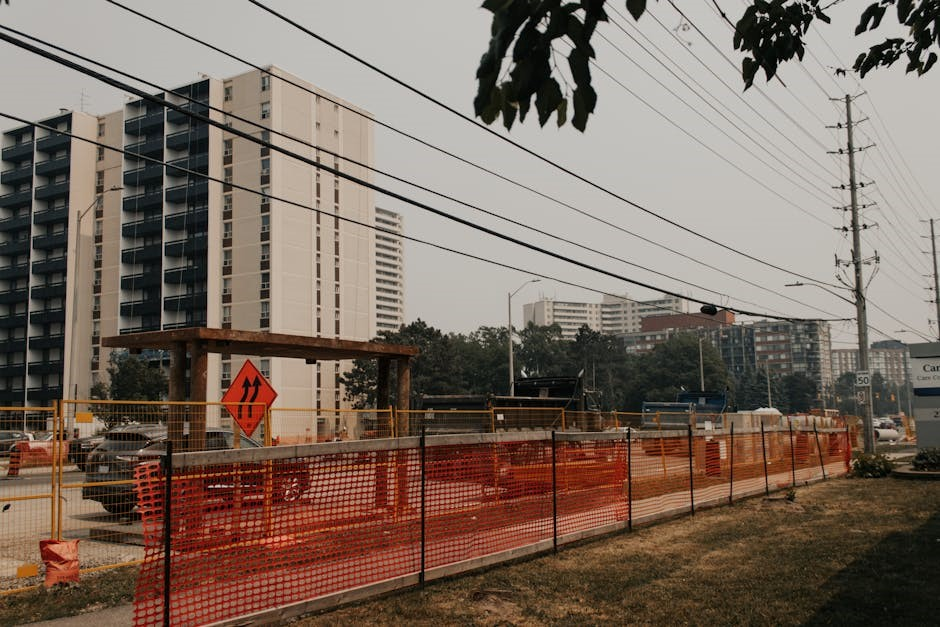
Detailed temporary works design documentation, often found in PDF format, consistently highlights the critical importance of Personal Protective Equipment (PPE) during Heras fencing installation and use; Mandatory PPE includes high-visibility clothing, ensuring visibility on construction sites or event perimeters, and robust safety footwear to protect against potential foot injuries from fencing components or uneven ground․
Hard hats are essential for head protection, particularly when working at height or near overhead obstructions․ Gloves, preferably with reinforced palms, safeguard hands during handling of fencing panels and securing mechanisms․ Eye protection, such as safety glasses or goggles, is crucial to prevent debris or dust from causing eye irritation or injury․
Furthermore, the design documents often specify the need for appropriate lifting equipment and training for personnel handling heavier fencing components, minimizing the risk of musculoskeletal injuries․ Regular PPE inspections are vital to ensure all items are in good working order and provide adequate protection․
Avoiding Underground Services Interference
Comprehensive temporary works design PDFs for Heras fencing installations consistently emphasize the paramount importance of identifying and avoiding interference with underground services․ Before commencing any installation work, a thorough site survey and diligent investigation of utility plans are absolutely essential․ This includes contacting local utility companies to ascertain the precise location of buried cables, pipes, and other infrastructure․
Safe digging practices, such as trial pitting or cable detection surveys, should be implemented to confirm the absence of underground services in the intended fencing line․ The design documentation often mandates maintaining a safe working distance from identified utilities, as specified by relevant regulations․
Should any unexpected underground services be discovered, work must cease immediately, and the appropriate authorities notified․ Detailed records of all utility searches and findings should be maintained as part of the temporary works documentation․
Signage and Warning Systems
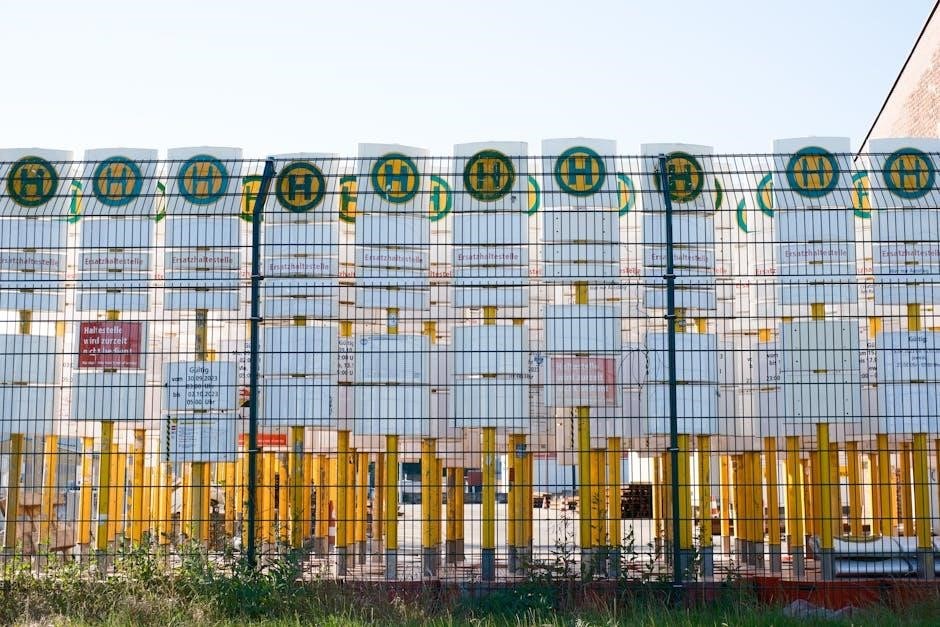
Temporary works design PDFs for Heras fencing routinely detail the necessity of implementing clear and conspicuous signage and warning systems․ These are crucial for communicating potential hazards to personnel and the public․ Appropriate signage should clearly indicate the presence of the fencing, restricted access areas, and any specific risks associated with the installation․
Warning signs must conform to relevant safety standards and be positioned at regular intervals along the fence line, particularly at access points and areas of high pedestrian traffic․ Consideration should be given to using high-visibility materials and reflective elements, especially during periods of low light․
The design documentation may also specify the inclusion of emergency contact information and details regarding the purpose of the fencing․
Heras Fencing for Specific Applications
Heras fencing, guided by temporary works design PDFs, excels in construction security, event perimeter control, and adaptable crowd management solutions effectively․
Construction Site Security
Utilizing Heras fencing, informed by comprehensive temporary works design PDFs, is paramount for robust construction site security․ Detailed plans, adhering to BS 1722 and EN 13374 standards, outline panel configurations, stand placements, and secure coupling methods․
These designs address potential risks – unauthorized access, theft, and vandalism – through load calculations ensuring wind resistance and stability․ Proper ground condition assessments dictate foundation requirements, preventing collapse or breaches․ Signage and warning systems, integrated into the design, clearly demarcate the site perimeter․
Regular inspections, documented within the temporary works design, verify ongoing integrity․ This proactive approach minimizes liabilities and safeguards personnel, materials, and equipment throughout the construction lifecycle, creating a secure environment․
Event Perimeter Control
Heras fencing, guided by detailed temporary works design PDFs, provides effective event perimeter control, ensuring public safety and access management․ Designs must incorporate risk assessments addressing crowd dynamics and potential security breaches, complying with relevant standards like BS 1722․
Load calculations are crucial, accounting for wind resistance and potential crowd lean․ Ground condition assessments dictate appropriate stand and foundation choices for stability․ Clear entry/exit points, defined in the design, facilitate controlled access and emergency egress․
Signage and barriers, integrated into the fencing layout, guide attendees and restrict unauthorized areas․ Regular inspections, documented within the temporary works design, maintain perimeter integrity throughout the event duration, safeguarding attendees and assets․
Crowd Management Solutions
Heras fencing, detailed in temporary works design PDFs, offers robust crowd management solutions, prioritizing safety and order; Designs must address potential crowd pressures, incorporating calculated load capacities and wind resistance, adhering to standards like EN 13374․
Strategic fencing layouts create defined zones, channeling pedestrian flow and preventing overcrowding․ Access control points, integrated into the design, manage entry and exit, minimizing bottlenecks․ Clear signage, a key design element, directs attendees and reinforces safety protocols․
Regular inspections, documented within the temporary works design, ensure fencing integrity throughout the event․ Contingency plans, outlined in the design, address potential crowd surges or emergency situations, safeguarding attendees and facilitating efficient response;