Understanding Snowboard Size Basics
Choosing the right board starts with height and weight. Lighter riders often shave 2‑3 cm off the chart to keep control. Longer boards shine on groomers and powder, while shorter ones aid tricks. For deep snow, aim for a length that reaches nose height or slightly above for float. Check stance width. now.OK
Key Metrics for Snowboard Selection
When sizing a board, start with height and weight—key chart variables. Height sets overall length; weight informs flex and support. Stance width, measured from binding center to center, should match hip width for balance. Waist width must fit boot size; too narrow causes toe‑heel drag, too wide feels unwieldy. Flex rating, from soft to stiff, should match skill: beginners need softer boards, advanced riders prefer stiffer for edge control. Camber—flat, concave, rocker, hybrid—affects launch, grip, float; rocker excels in powder, flat on groomers, hybrids balance. Edge angle, 0°–3°, determines carving aggressiveness; steeper angles suit aggressive riders. Consider terrain: all‑mountain boards are versatile, freestyle boards shorter and lighter, powder boards longer and wider. Matching these metrics to your profile ensures optimal performance and safety on the slopes. Additionally, the board’s width at the waist should align with boot size to prevent toe‑or‑heel drag.
Board length relative to chin or nose is a common rule: a board reaching between the rider’s chin and nose offers balance; longer boards give speed stability and float, shorter boards aid tricks. Edge release, influenced by flex and camber, determines how quickly a board disengages during turns; softer flex releases faster, useful for beginners and freestyle riders. Material construction—wood cores, carbon layers, or foam—affects weight and flex profile; lighter boards are easier to maneuver but less stable, heavier boards provide durability and edge grip. Evaluating these metrics against your height, weight, skill, and terrain preference lets you choose a board that balances control, responsiveness, and comfort. Remember that personal preference and riding style also play a role; trial and error can fine‑tune the fit and confidence. Enjoy the ride and stay safe all
Height guides board length: a 5’8″ rider typically selects 155‑160 cm board. Lighter riders cut 2‑3 cm for control; heavier riders add 2‑3 cm for stability. For powder, choose board reaching nose height or slightly above. Adjust stance width to match hip width. Use the chart as a baseline, then test on slopes to.
Common Height Ranges for Snowboard Lengths
When selecting a board, height is the first metric used to estimate length. Riders between 4′6″ and 5′0″ generally opt for boards measuring 140–145 cm, which give them the quickness needed for park tricks and small‑to‑medium terrain. Those standing 5′1″ to 5′4″ usually pick 150–155 cm boards, striking a balance between stability on groomers and maneuverability in the park. A rider who is 5′5″ to 5′8″ often finds 155–160 cm boards ideal for all‑mountain riding, offering enough float in light powder while still being responsive at speed. For heights from 5′9″ to 5′12″ (5′9″–6′0″), 160–165 cm boards are common, providing the width and edge control needed for steeper runs and deeper snow. Above 6′0″, 165–170 cm boards are typical, giving high‑speed stability and better float in heavy powder. These ranges are guidelines; a rider’s weight, skill level, and preferred terrain can shift the optimal length. Lighter riders may shave 2–3 cm off the chart to keep the board more responsive, while heavier riders might add 2–3 cm for added stability. Always test the board on real slopes to confirm that the chosen length feels right for your style and conditions. In addition, consider the board’s flex rating and rocker profile, as a stiffer board offers better edge control at high speeds, while a softer board enhances float and playfulness in variable conditions. The rocker shape—flat, camber, or hybrid—also influences how the board behaves on different snow textures and terrain features. especially on steep slopes daily
Weight-Based Size Recommendations
Heavier riders benefit from a board 2–3 cm longer than height charts suggest, while lighter riders shave 2–3 cm for agility. A 70‑kg rider might choose 155 cm; 90‑kg could go 165 cm. Adjust for skill: lean shorter for control, pros longer for speed!!! and float.
Weight Ranges and Length Adjustments
When sizing a board, weight is a decisive factor that can override height guidelines. A rider’s mass influences board flex, edge grip, and float in powder. Below is a concise reference derived from recent sizing charts:
- Under 60 kg: Select a board 2–3 cm shorter than the height‑based recommendation to preserve maneuverability and reduce edge pressure.
- 60–80 kg: Stick to the standard height chart, but consider a 1–2 cm length increase if you frequently ride high‑speed or powder, as extra length improves stability.
- 80–100 kg: Opt for a board 2–4 cm longer than the height chart. The added length compensates for increased weight, providing better float and a smoother ride on steep terrain.
- Above 100 kg: A board 4–6 cm longer than the height chart is advisable. The extra length distributes weight more evenly, enhances edge control, and prevents the board from bottoming out in deep snow;
Remember, these adjustments are guidelines; personal preference, stance width, and riding style can further refine the ideal length. Always test a board in real conditions before finalizing the purchase.
Stance width also affects board choice; a wider stance may require a slightly longer board to maintain balance, while a narrow stance can allow a shorter board without sacrificing stability.
If you ride primarily in park, a shorter board (2–3 cm shorter) offers better pop. For all‑mountain, keep within the chart. For powder, 5–7 cm longer is ideal. Consult your local shop for a demo before buying;
Skill Level and Board Length
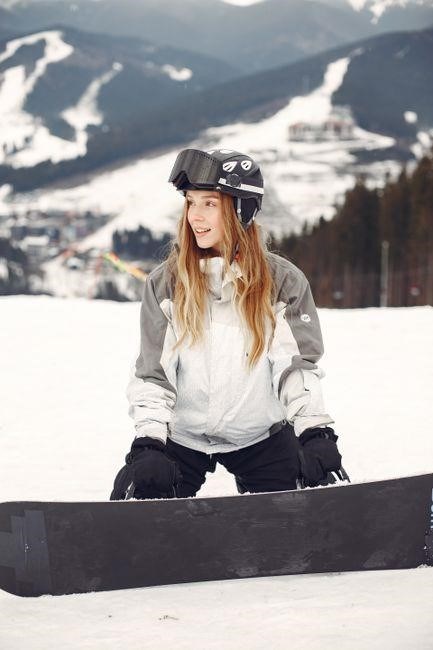
Beginners prefer boards 2–3 cm shorter than height charts for easier control. Intermediates follow the chart. Advanced riders add 2–4 cm for stability at speed. Freestyle players often choose 3–5 cm shorter for maneuverability and pop. Use these guidelines to match board length with skill and terrain. now.
Novice vs Advanced Rider Length Preferences
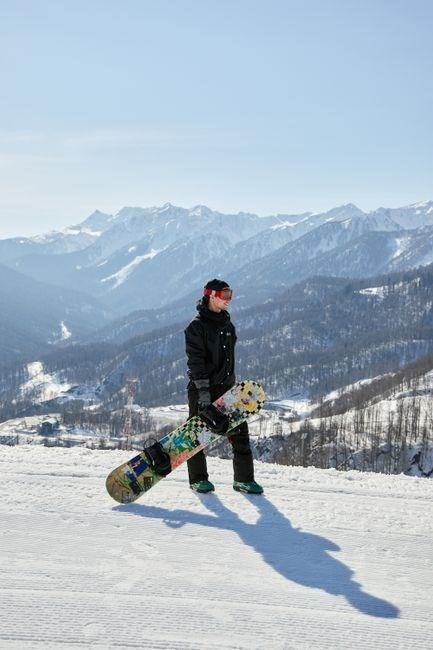
Novice riders typically opt for a board that sits just below the chin or at the lower end of the height‑based chart. A shorter length—often 2–3 cm less than the standard recommendation—provides better balance, quicker turn initiation, and reduced risk of catching an edge. A shorter board also eases the learning curve on groomed runs and in parks, allowing beginners to focus on stance, edge control, and basic carving without the added weight of a longer board. In contrast, advanced riders usually select a board that aligns with or slightly exceeds the height‑based chart. A longer board delivers greater stability at high speeds, enhances float in powder, and offers a smoother ride on varied terrain. Advanced riders also benefit from the added flex and edge‑to‑edge distance, which improves performance on aggressive lines and during high‑speed carving. For freestyle enthusiasts who are still progressing, a moderate length—roughly 1–2 cm shorter than the height chart—strikes a balance between maneuverability and stability, enabling them to practice tricks while maintaining control. Ultimately, the choice hinges on the rider’s confidence, preferred terrain, and the specific demands of the snow conditions they encounter. Additionally, weight plays a role; heavier riders may prefer a longer board for better support, while lighter riders might choose a shorter board to avoid excessive flex. Stance width should be tailored to the rider’s height and hip width, ensuring optimal edge contact and balance. When transitioning from novice to advanced, many riders gradually increase board length by 1–2 cm per season, allowing the body to adapt to higher speeds and more demanding terrain. Finally, consulting brand‑specific size charts can refine these general guidelines, as manufacturers often adjust board geometry to accommodate different riding styles and performance goals. Before committing to a purchase, riders should test boards of varying lengths in rental shops or demo programs to feel the differences firsthand. This hands‑on experience helps confirm the optimal length for their personal style and ensures a satisfying ride on the mountain. Moreover, the board’s flex rating and rocker profile interact with length; a stiffer board may feel more responsive at longer lengths, while a softer board can compensate for a shorter board’s reduced stability!!! When selecting a board, always consider the interplay between length, width, flex, and rocker; a well‑balanced combination tailored to your height, weight, skill, and terrain preference will maximize both safety and enjoyment on the mountain. Renting or demoing a board lets you test how the length feels in real conditions, ensuring a purchase that matches your riding goals.
Terrain Type and Optimal Board Length
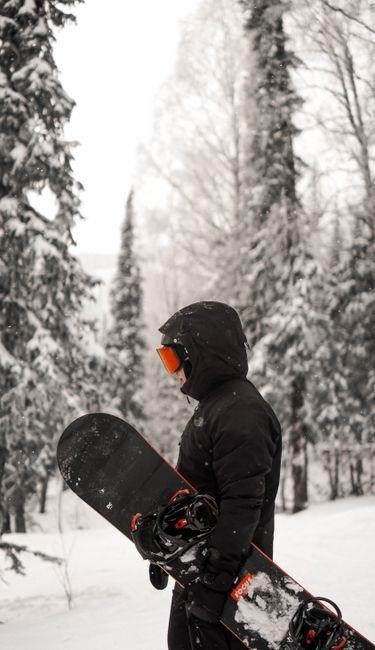
All‑mountain boards sit near the chin; freestyle boards sit mid‑face for quick turns; powder boards extend to nose or beyond for float. Shorter boards excel on groomers, while longer boards dominate deep snow. Boards 5–7 cm shorter, alpine boards 5–7 cm longer
All-Mountain, Freestyle, and Powder Length Guidelines
All‑mountain boards are the Swiss Army knives of the snowboarding world. They strike a balance between stability at high speeds, maneuverability on groomers, and enough rocker to handle occasional powder runs. A common rule of thumb is to choose a length that sits between the rider’s chin and the middle of the nose. For a 170‑cm tall rider, a board around 155‑160 cm is typical, while a 180‑cm rider might opt for 165‑170 cm. Adjustments of ±3 cm are common to fine‑tune edge grip and float. Freestyle boards are shorter, usually 5–7 cm shorter than the rider’s height, to allow quick turns and tricks. They often sit around the chin or slightly below, giving riders a lighter feel and easier pop. Powder boards, on the other hand, are longer, often 5–7 cm longer than the rider’s height, to provide maximum float and stability in deep snow. They typically reach the nose or just beyond, ensuring the board stays on top of the powder and offers a smooth ride.
When selecting a board, width matters as much as length. A board that is too narrow can cause toe or heel drag, while an overly wide board may feel sluggish. Most riders find a width that matches their stance width plus a few centimeters for comfort. Additionally, consider the board’s flex rating: stiffer boards provide better edge control at high speeds, whereas a softer boards offer more forgiveness for beginners. Finally, always test a board in person if possible, as real‑world feel can differ from chart recommendations.Remember, best board feels right for you on mountain today now!!!.
Brand-Specific Size Charts
Brands like Burton, K2, and Ride publish charts linking height, weight, and board length. Burton recommends 165 cm for a 170 cm, 70 kg rider; K2 suggests 160 cm for similar stats. Ride adds a 5 cm offset for lighter riders. Width should match stance. Check width.!!
Popular Brands’ Size Chart Interpretations
Burton’s sizing system is height‑centric, offering a single board length per height band. For a rider 170 cm tall, the chart recommends a 165 cm board, assuming a moderate weight of 70 kg. If the rider is lighter, the chart suggests trimming 2–3 cm to improve edge control. K2’s tables combine height and weight, giving a 160 cm board for a 170 cm, 68 kg rider, but adding a 5 cm offset for those under 65 kg. Ride’s approach is more flexible: it lists multiple board lengths for a given height, allowing riders to choose between a 155 cm board for park play or a 170 cm board for all‑mountain use. The brand’s width charts are equally detailed; they recommend a 25.5 cm stance width for a 170 cm rider, with a 27 cm width for a heavier rider or a wider stance preference. In practice, many riders use the brand’s “float” recommendation for powder: a board that reaches nose height or slightly above. For example, a 170 cm rider with a 70 kg weight would look at a 165 cm board for groomers, but a 170 cm board for deep snow. When choosing a board, it’s essential to cross‑reference height, weight, and stance width, and to consider the rider’s skill level and terrain preference. Each brand’s chart is a starting point; adjustments are often necessary based on personal comfort and riding style. Always test the board in a demo session before committing to a purchase, and consult the manufacturer’s online forums for real‑world feedback. By combining the brand’s data with your own measurements, you can find a board that balances stability, maneuverability, and float for your unique profile.
Readers should also consider stance width, board flex, and personal riding style when finalizing their choice. A slightly stiffer board offers better edge control on hardpack, while a softer board enhances float and playfulness in softer snow. Adjusting bindings to a narrower stance can improve maneuverability, whereas a wider stance provides stability at high speeds!!!.
Practical Tips for Choosing and Adjusting
Start by measuring your height and weight, then consult brand charts. Trim 2–3 cm for lighter riders. Stance width: 25–27 cm. Adjust bindings for comfort, and consider board flex for terrain. Use a demo board to fine‑tune. Check flex. Demo board. Enjoy!
Customizing Board Length for Comfort and Performance
When fine‑tuning a board, start with the core length suggested by height and weight charts. If you’re lighter than average for your height, trim 2–3 cm to improve edge control and reduce drag. For heavier riders, a slightly longer board can provide better stability and float, especially in powder. Adjust the stance width to match your hip breadth; a narrower stance (25–26 cm) offers agility for tricks, while a wider stance (27–28 cm) enhances balance on steep slopes. Binding angles also influence feel: a 15°–20° forward tilt on the front foot and a 0°–5° neutral or slight reverse on the rear foot can help you maintain a centered stance and reduce fatigue. Consider the board’s flex rating—stiffer boards hold edges better at high speeds, whereas softer boards are forgiving for beginners. If you ride mixed terrain, a medium‑flex board can adapt to both park and alpine runs. Finally, test the board on a demo before purchase; small adjustments to length and stance can dramatically change your ride quality. Remember, the goal is a board that feels like an extension of your body, not a constraint; Happy riding!
- Check board length against your chin or nose for a baseline.
- Adjust stance width to match hip width for stability.
- Choose flex based on preferred terrain: stiffer for speed, softer for tricks.
- Demo boards before buying to feel real‑world differences.
Test the board in conditions finalizing now!