Overview of Bosch Ascenta Series
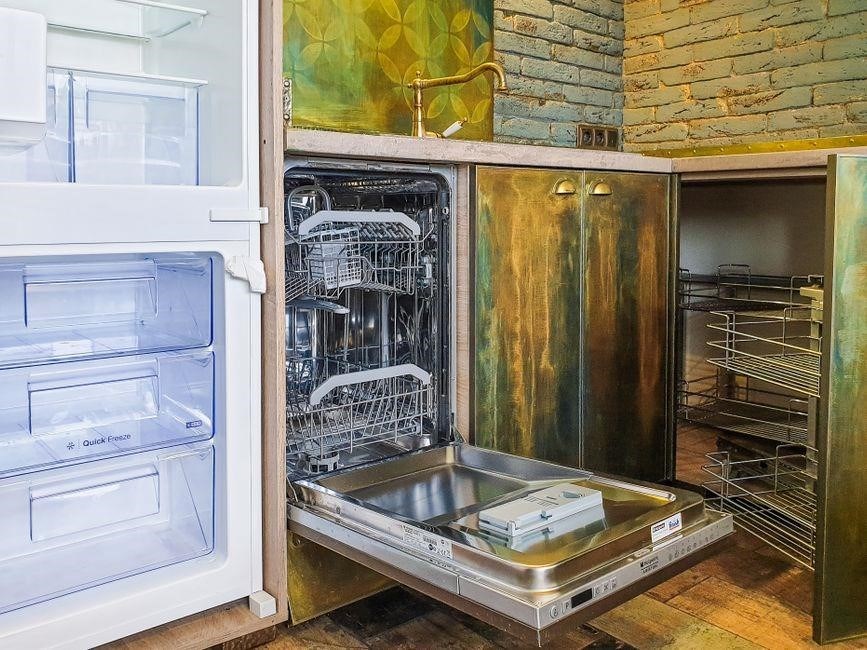
Bosch Ascenta Series offers compact, efficient dishwashers with advanced features․ Models such as SHX4AP05UC, SHE3AR72UC, SHE3AR75UC provide flexible loading, quiet operation, and smart connectivity․ The manual covers setup, safety, and maintenance․ Ideal for small kitchens, eco‑mode, silent wash․
Model Range and Key Features
Bosch Ascenta dishwashers are available in a range of compact models designed for small kitchens and tight spaces․ The lineup includes the SHX4AP05UC, a 60 cm unit that fits standard kitchen layouts, and the SHE3AR72UC and SHE3AR75UC, which offer 55 cm and 60 cm widths respectively․ Each model incorporates Bosch’s QuietPlus technology, delivering noise levels as low as 39 dB for the SHX4AP05UC and 38 dB for the 55 cm variants․ The series also features the EcoSilence Drive, a brushless motor that reduces vibration and extends lifespan․ Flexible loading is a core benefit; the adjustable third rack and fold‑down tines allow users to accommodate larger pots and pans without compromising capacity․ The 12‑cycle program selection includes a quick wash, heavy‑load, and a specialized “Wine” cycle that maintains optimal temperature for delicate glassware․ Smart connectivity is available on the SHX4AP05UC, enabling remote start, status monitoring, and firmware updates via the Bosch Home Connect app․ Energy efficiency is highlighted by the 1․5‑kWh rating for the 60 cm model and a 0․9‑kWh rating for the 55 cm variant, both meeting EU A++ standards․ Water consumption is optimized through the integrated water‑saving sensor, which adjusts the cycle based on load size․ The series also offers a “Child Lock” feature for safety, and a “Child‑Safe” mode that disables the door lock during operation․ All models include a built‑in filter system that can be cleaned easily, and the stainless‑steel interior resists staining and odors․ Users benefit from a 10‑year warranty on the motor and a 5‑year warranty on the entire unit, reflecting Bosch’s confidence in durability․ The Ascenta series is ideal for homeowners who value quiet performance, flexible loading, and smart home integration while maintaining a compact footprint․ Additionally, the models feature a “Stain‑Free” coating that resists coffee and tea stains, ensuring a pristine look after every wash․ The “Auto‑Load” sensor detects dish placement and automatically adjusts water pressure for optimal cleaning․ For convenience, the “Delay Start” function allows users to set a start time up to 24 hours in advance, making it easier to align with off‑peak electricity rates․ The “Quiet” mode can be activated for overnight washing, keeping the kitchen environment undisturbed․ Finally, the user interface includes a digital display with intuitive icons, making cycle selection straightforward even for first‑time users․ With its sleek design and minimalist controls, the Ascenta line blends seamlessly into contemporary kitchen aesthetics․ Enjoy seamless integration!
Quick Start Guide
Plug the Ascenta into a grounded outlet․ Connect the water supply hose to the cold tap, ensuring the valve is closed․ Open the door, load dishes, select a cycle via the digital display, then press Start․ The unit will auto‑detect load and begin washing․ Enjoy quick clean․ now․
Initial Setup and Power Connection
Before connecting the Bosch Ascenta dishwasher to a power source, verify that the unit is placed on a stable, level surface․ The manufacturer recommends a minimum clearance of 30 cm on all sides for proper ventilation․ Ensure the electrical outlet is a dedicated 240 V circuit with a ground fault circuit interrupter (GFCI)․ If the outlet lacks a GFCI, install one to protect against electric shock․
Connect the dishwasher’s power cord to the outlet, ensuring the plug is fully seated․ The cord should be routed along the cabinet edges to avoid tripping hazards․ Next, attach the water supply hose to the cold water inlet on the back of the unit․ Tighten the hose clamp with a wrench, but avoid overtightening to prevent damage․ Verify that the water valve is closed before powering on the machine․ Once the connections are secure, close the cabinet door and press the power button․ The control panel will light up, indicating the unit is ready for operation․ For optimal performance, run the dishwasher with a full load and use the recommended detergent․ The Ascenta series features a sensor that adjusts water usage based on load size, ensuring efficient operation․ If the dishwasher does not power on, check the outlet with a multimeter to confirm voltage, and inspect the power cord for any visible damage․ If all electrical checks pass, consult the error code section for further diagnosis․
Remember to keep the door latch clean and free of debris to ensure a seal during cycles․ daily
Safety Precautions
Always disconnect power before cleaning․ Keep the unit dry; avoid splashing water near outlets․ Use only the supplied water hose; never use high‑pressure hoses․ Ensure the door latch is secure before starting․ Never overload the dishwasher․ Follow local electrical codes․
Electrical and Water Safety Measures
Before operating the Bosch Ascenta dishwasher, verify that the electrical supply meets the specified voltage and that the circuit breaker is properly rated․ Use only the supplied power cord; do not substitute adapters or extension cords, as this can create a fire hazard․ The unit should be installed in a dry area, away from direct sunlight and heat sources․ Ensure that the water inlet hose is free of kinks and that the shut‑off valve is fully open․ The water supply should be filtered to prevent debris from entering the machine․ Never immerse the dishwasher in water or expose it to rain․ When connecting the water supply, use a hose clamp to secure the connection and check for leaks․ The drain hose must be positioned above the floor level to avoid backflow and should be secured to prevent sagging․ Keep the dishwasher’s door latch mechanism clean and lubricated; a stuck latch can cause the unit to malfunction․ During maintenance, always disconnect the power supply and close the water valve․ Do not attempt to repair electrical components yourself; contact a qualified technician․ Follow the manufacturer’s instructions for cleaning the filter and spray arms․ Store the unit in a well‑ventilated area when not in use to prevent moisture buildup․ By adhering to these electrical and water safety measures, you reduce the risk of electrical shock, water damage, and potential fire hazards associated with improper installation or operation․ The dishwasher must be grounded according to local electrical codes․ Inspect the grounding wire for any signs of wear or corrosion; replace if damaged․ A GFCI outlet is recommended for added protection against electrical shock․ Keep the area around the dishwasher free of clutter and ensure that the floor is level to prevent water pooling․ If you notice any unusual noises or vibrations during operation, stop the machine immediately and inspect for loose parts․ Do not use the dishwasher if the water temperature is below 120°F, as this can affect cleaning performance and may cause the heating element to overheat․ Always read the warning labels on the door and the control panel before operating the appliance․ By following these precautions, you maintain a safe and efficient environment for your Bosch Ascenta dishwasher․ If you are installing the dishwasher in a kitchen with a tiled backsplash, ensure that the tile edges do not interfere with the door seal․ The seal should be inspected for cracks or tears; a damaged seal can lead to water leakage and compromise the appliance’s energy efficiency․ During the initial run, monitor the water pressure; if the pressure is too low, the dishwasher may not fill properly, leading to incomplete cleaning․ Conversely, excessively high pressure can damage the spray arms․ Adjust the pressure regulator accordingly․ Finally, keep a log of maintenance dates and any repairs performed; this documentation can be useful for warranty claims and future troubleshooting․ By maintaining strict adherence to these electrical and water safety measures, you ensure optimal performance, prolong the appliance’s lifespan, and safeguard your household from potential hazards!
Installation Instructions
Place the dishwasher on a level floor, leaving 5 cm clearance for the door․ Connect the water inlet hose to the cold supply with a clamp, attach the drain hose to the sink drain using a back‑flow preventer․ Plug into a outlet and verify all connections before use
Space Planning and Mounting
Before installing a Bosch Ascenta dishwasher, measure the cabinet opening to ensure a 600 mm width and 860 mm height clearance․ Leave a 5 cm gap on the left side for the water inlet and a 4 cm space at the bottom for the drain hose․ The unit should sit on a level floor; use a spirit level and adjust the feet until the appliance is perfectly horizontal․ Mounting brackets are supplied with the kit; attach them to the cabinet frame using the provided screws, ensuring they are aligned with the dishwasher’s mounting holes․ Tighten all fasteners securely to prevent vibration during operation․ Verify that the door swing does not interfere with adjacent cabinets or appliances․ After mounting, check the water supply line for kinks and secure the drain hose with a clamp to avoid leaks․ Finally, test the installation by running a short cycle to confirm proper drainage and water flow before regular use․ Use a bubble level to verify that the dishwasher is perfectly horizontal; any tilt can cause water spillage during cycles․ After mounting, tighten all brackets and check for any loose screws; a secure fit prevents vibration and noise․ Inspect the water inlet hose for kinks or damage; replace it if it shows signs of wear to avoid leaks during operation․ Verify the drain hose is properly secured with a clamp and that the hose is not kinked, ensuring efficient drainage․ Once all connections are secure firm, run a test cycle to confirm that water flows in and drains out without any leakage
Operating Instructions
Start by loading dishes, selecting cycle via touchpad․ Use Eco, Quick, or Heavy options․ Press Start/Stop to begin․ Monitor progress on display․ For advanced settings, access the menu to adjust wash temperature, rinse aid, and delay start․ End cycle automatically․!!!
Cycle Selection and Advanced Features
Choose from a range of wash programs tailored to load type and soil level․ The Eco cycle reduces water and energy consumption, while the Heavy cycle delivers extra rinsing for pots and pans․ Quick wash offers a fast 30‑minute cycle for lightly soiled dishes․ The Custom program lets you set wash temperature, rinse aid, and delay start․ Use the touchpad to access the menu, then tap Settings to adjust water temperature (40–90 °C), rinse aid level (Low, Medium, High), and the optional Dry function․ The Delay Start feature allows you to schedule the wash up to 24 hours ahead, ideal for overnight cleaning․ For optimal performance, load the upper rack with plates and bowls, the lower rack with pots, pans, and utensils, and avoid blocking the spray arms․ Press Start/Stop to begin; the display shows remaining time and cycle status․ When the cycle ends, the door remains locked until the water pressure drops, ensuring safety․ For maintenance, use the Auto‑Clean function once a month to keep the system free of limescale and detergent residue․ Refer to the user manual for detailed instructions on each program and advanced settings․ Additional features include a built‑in water filter, a load‑size sensor that optimizes water usage, and a customizable rinse‑aid dispenser to prevent spots․ The quiet operation mode keeps noise below 40 dB, ideal for open‑plan homes․ For all users․ Enjoy! Now Thanks! 2
Maintenance & Cleaning
Clean the filter weekly, rinse the spray arms, and wipe the door seal; Use a mild detergent for the interior, avoiding harsh chemicals․ Run the Auto‑Clean cycle monthly to remove limescale․ Replace the filter every 6 months for optimal performance․ Check the door latch for sealing and close tight
Regular Cleaning and Filter Care
Regular maintenance of the Bosch Ascenta dishwasher ensures optimal performance and extends appliance life․ The filter, located beneath the lower spray arm, should be removed monthly․ Turn the filter counter‑clockwise until it loosens, then rinse under running water․ For stubborn grime, soak the filter in warm water with a few drops of dish soap for 15 minutes, then rinse again․ The spray arm can become clogged with food particles; remove it by lifting the latch or unscrewing the mounting screws․ Clear each nozzle with a toothpick or a small brush, then reinstall, ensuring it rotates freely․ The door seal should be wiped with a damp cloth and mild detergent to prevent mold and odors․ Inspect the gasket for cracks; replace if damaged․ After cleaning, run a short “quick wash” cycle to flush out debris․ If water pressure drops or drying time increases, recheck the filter and spray arm․ For households with hard water, consider adding a rinse aid to reduce mineral buildup․ Keep the interior free of food residue by placing large, greasy items in the upper rack and using a rinse aid․ A routine cleaning schedule—filter monthly, spray arm quarterly, seal annually—will keep dishes sparkling and the machine running efficiently․ Regular attention to these components guarantees a finish operation so! ․
Troubleshooting & Error Codes
When the Bosch Ascenta displays an error code, refer to the manual’s troubleshooting guide․ Common codes: E01 (water supply), E02 (drain), E03 (temperature)․ Reset by unplugging for 30 s, then restart․ If the problem persists, contact service․ Check inlet filter, drain hose for kinks!
Common Issues and Solutions
Water not filling: Check inlet valve, ensure water supply is on, and hose is not kinked․ Clean clogged filter and restart cycle․
Drain error (E02): Inspect drain hose, clear obstructions, ensure correct positioning․ Check garbage disposal for blockages․
Over‑temperature alarm (E03): Verify heating element works, thermostat set properly․ Clean element and ensure ventilation․
Noise during wash: Secure dishes, remove foreign objects, replace damaged spray arm bearings․
Cycle not completing: Reset by unplugging 30 s, then plug back․ If persists, consult manual for reset․
Water leakage: Inspect gasket, tighten latch, replace gasket if needed․ Clear detergent dispenser․
Unusual odors: Run cleaning cycle with vinegar, clean filter, rinse spray arms․

Display not lighting: Check power, ensure grounding, inspect fuse, replace if blown․
Fan motor failure: Listen for hum; if fan not spinning, replace motor or clear obstructions․
Water pressure too low: Verify pressure meets specs (1․5–3․0 bar)․ Adjust regulator if needed․
For problems, refer to the Bosch Ascenta service center or contact Bosch support․ If the unit does not respond, schedule a technician visit, provide the error code, and follow the troubleshooting steps in the manual․ Keep a record of maintenance performed to assist future diagnostics․